
Resources
News & Thought Leadership
Check out the latest news, insights, and updates.
Videos & Podcasts
See and hear more about our capabilities and tech.
Frequently Asked Questions
Uncover answers + common myths and misconceptions.
The Data Triad
Discover why protecting Data in Use is critical.
Company
About Us
Learn our story and meet our team.
Our Partners
Explore our collaborations to advance secure data usage.
Verticals
Public Sector
Mission-enabling, transformative data usage for federal users.
Financial Services
Secure and private data sharing across silos and jurisdictions.
Healthcare
Securely use and collaboration with sensitive, health-related assets.
Secure AI
Enhance decision making, protect privacy, and combat ML/AI risks.
Featured Content:
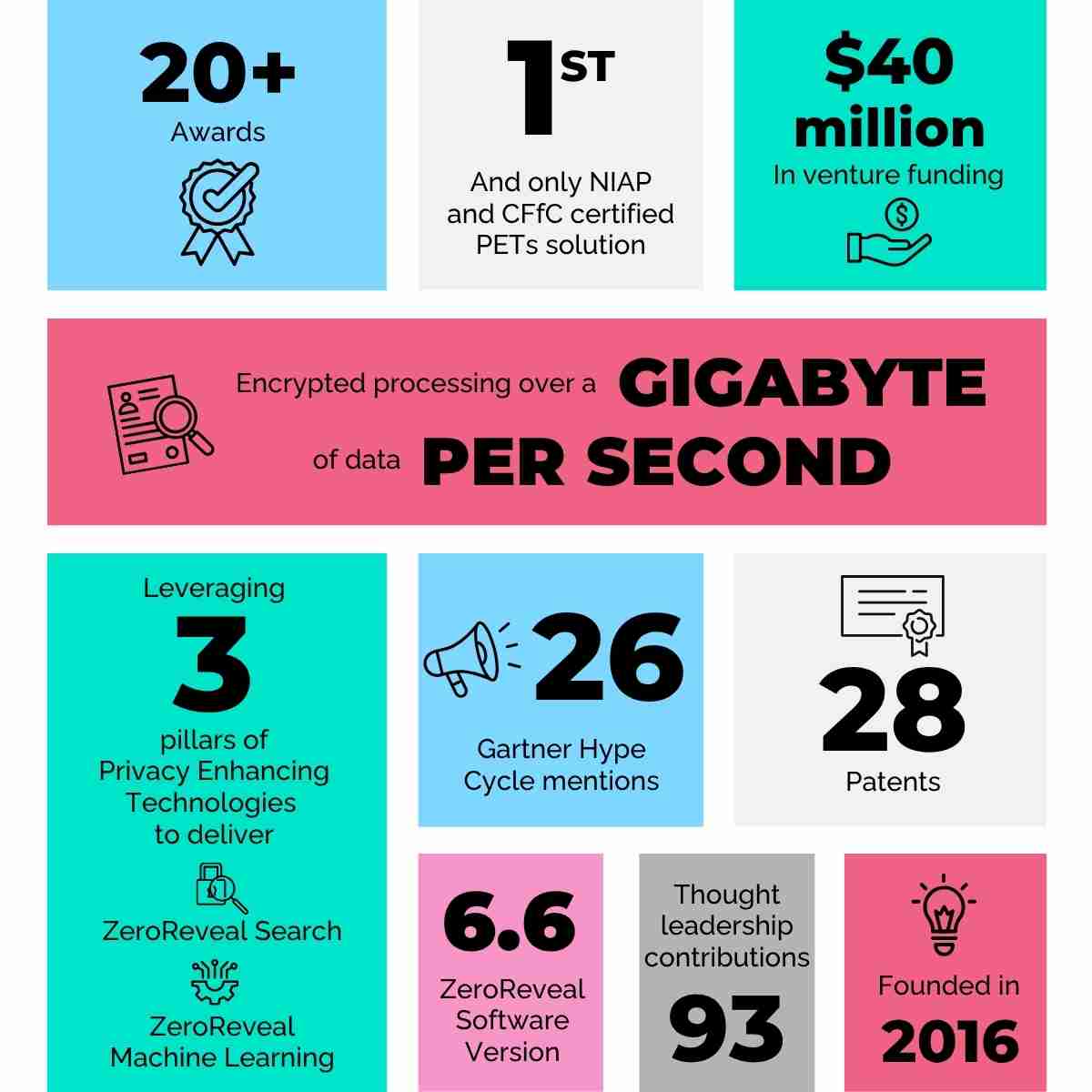
Enveil At A Glance
Enveil At A Glance
Highlights from Enveil's journey as an innovative PETs-powered COTS software provider